In the ever-evolving world of fashion, specialty fabrics have become the unsung heroes. These are the materials that make one stop and say, “Wow, what is that made of?” Luxurious and unique, these fabrics add a layer of sophistication that’s hard to ignore. Think about it: when was the last time you saw a dress made of something so exquisite that you felt like you just had to touch it? That’s the magic of Knipidee.
From silk and satin to more exotic choices like bamboo tricot and organic denim, these materials aren’t just about looks. They bring unique qualities to the table—breathability, texture, durability. For instance, silk not only drapes beautifully but also keeps you cool in summer and warm in winter. It’s like having your cake and eating it too. And let’s not forget about linen; a fabric that’s been around for ages yet continues to be a staple because of its breathability and eco-friendliness. These qualities make specialty fabrics a preferred choice for designers aiming to create something extraordinary.
But it’s not just about luxury. Specialty fabrics can also be incredibly versatile. Take sequined materials or shimmery organza; they can turn an ordinary outfit into a showstopper, perfect for those special occasions where you want all eyes on you. It’s like adding a sprinkle of fairy dust to your wardrobe—suddenly, everything seems more magical.
Embroidery techniques that elevate textiles
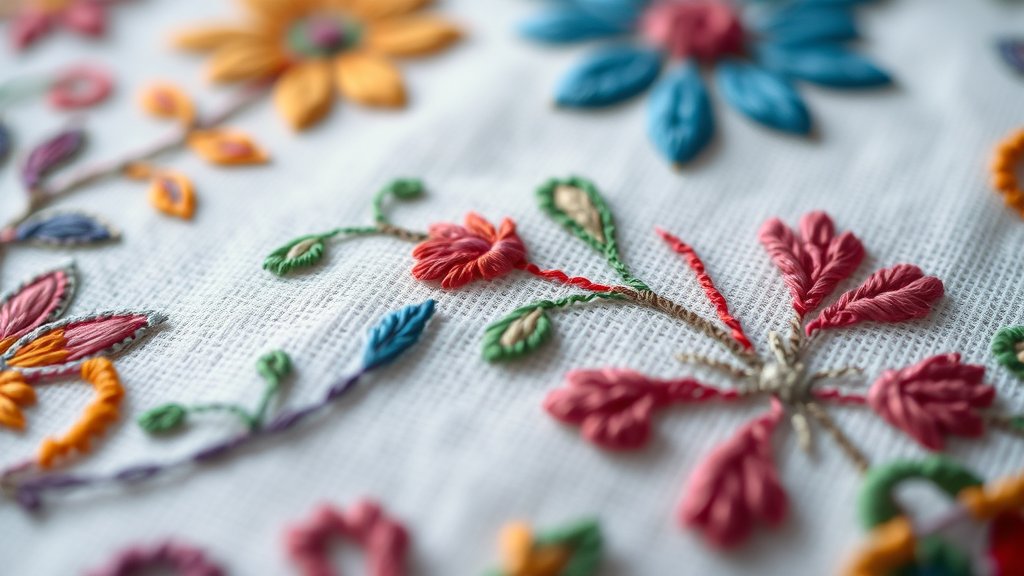
Embroidery is an ancient craft that’s stood the test of time, and for good reason. The intricate designs created by needle and thread can turn any piece of fabric into a work of art. Imagine a plain cotton top transformed with delicate floral embroidery fabric—suddenly, it’s not just a top; it’s a statement piece.
There are so many techniques within embroidery itself. From cross-stitch to beading, each method brings its own flair to the fabric. And the best part? Embroidery is durable. Unlike prints that can fade or peel over time, embroidered designs stay vibrant and intact, making them ideal for cherished garments that you want to keep forever.
What’s fascinating is how embroidery has evolved with technology. Modern machines can create complex patterns at an astonishing speed, making it accessible for mass production while still retaining that handmade feel. It’s like having the best of both worlds—efficiency and artistry combined.
Emerging trends in designer textiles
The fashion industry is always on the lookout for what’s next, and emerging trends in designer textiles are no exception. One trend that’s been gaining traction is the use of mixed materials. Designers are combining fabrics like never before—think leather paired with lace or denim embellished with silk patches. It’s an exciting blend that challenges traditional notions of what goes together.
Another trend worth noting is digital printing on fabrics. This technology allows for an explosion of creativity, enabling designers to experiment with patterns and colors in ways that were previously unimaginable. Imagine a dress with a digital print that looks like a painting; it’s wearable art!
Sustainable textiles are also making waves. With growing awareness about environmental issues, there’s been a significant shift towards eco-friendly materials. Organic cotton, recycled polyester, and even fabrics made from biodegradable fibers are becoming increasingly popular. It’s not just about looking good anymore; it’s about feeling good too—knowing that your fashion choices are kinder to the planet.
Sustainable choices in specialty fabrics
Sustainability isn’t just a buzzword; it’s a necessity in today’s world. And when it comes to fabrics, there’s a growing demand for sustainable choices. Organic cotton is one such fabric that’s gained popularity for its minimal environmental impact. Grown without harmful pesticides or synthetic fertilizers, it’s as gentle on the planet as it is on your skin.
Recycled materials are another fantastic option. Fabrics made from recycled polyester, for instance, are not only durable but also help reduce waste by repurposing plastic bottles. It’s like giving trash a second life—how cool is that? Brands are also experimenting with biodegradable fabrics made from natural fibers like hemp and bamboo, which break down more easily than synthetic counterparts.
The textile industry is also seeing innovations in dyeing processes to reduce water consumption and chemical use. Techniques like digital printing use less water and produce less waste compared to traditional methods. These advancements make it easier to enjoy beautiful clothes without compromising on environmental values.
Future innovations in fabric design
The future of fabric design is nothing short of thrilling. Imagine fabrics that change color based on your mood or those that can regulate temperature according to your body heat. These aren’t just science fiction anymore; they’re becoming real possibilities thanks to advancements in textile technology.
Smart fabrics equipped with sensors are another fascinating development. These textiles can monitor health metrics like heart rate or body temperature, providing real-time data that’s especially useful in medical applications or athletic wear. It’s like wearing technology on your sleeve—literally!
Then there’s the potential for 3D-printed fabrics, which could revolutionize the way clothes are made altogether. Instead of cutting and sewing pieces together, entire garments could be printed in one go, reducing waste and allowing for more intricate designs. The possibilities are endless and incredibly exciting.
All these innovations point towards a future where fashion isn’t just about style; it’s about integrating functionality and sustainability in ways we’ve never seen before. And honestly, who wouldn’t be excited about that?